
Trying a new treatment can bring a lot of questions. You may wonder what will happen, how long the visit will take, or how you will feel during the infusion. If you are looking for a health and wellness clinic near me and considering ketamine infusion therapy in Chesterfield, VA, knowing what to expect can make your first visit feel much easier.
Ketamine has been used as an anesthetic for many years. Today, medical providers may also use it in carefully selected patients for certain mental health conditions and chronic pain. IV ketamine is given in a controlled medical setting, where your response can be watched during treatment.
Before Your First Ketamine Infusion
Your first visit usually starts with a medical review. A qualified provider will want to learn about your health, current medicines, past treatments, and the concerns you hope to address. This helps the care team decide whether ketamine is a suitable option for you.
You should also have a chance to ask questions. It is worth talking openly about anything that makes you nervous. Ketamine can cause changes in perception, drowsiness, dizziness, or nausea in some people, so understanding the process before treatment can help you feel more prepared.
Your provider may also give you specific instructions before the appointment. For example, some clinics advise patients not to eat or drink for a set period before an infusion. Always follow the instructions given by your own medical team, since preparation rules can vary.
What Happens During Ketamine Infusion Therapy?
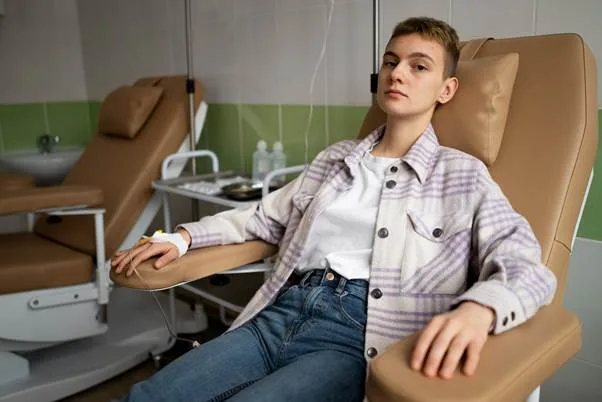
When the infusion begins, ketamine is delivered through an IV at a controlled dose. The infusion itself may last around 40 to 60 minutes. You remain in a medical setting while trained staff monitor you throughout the session.
The experience is different for everyone. Some people feel relaxed or sleepy. Others notice a sense of distance from their surroundings or changes in how they experience time and space. These effects are one reason medical supervision is important.
The goal is not to make the experience intense. Your provider determines the treatment plan based on your needs and health. During your first session, it is normal to simply relax, listen to music, or rest while the treatment takes place.
What You May Feel After Your Session
When the infusion ends, you may need some time before you feel fully back to normal. Tiredness, dizziness, nausea, or a mild headache can occur. Some people may notice changes in mood sooner than others, but there is no single timeline that applies to everyone.
Because ketamine can affect thinking and coordination after treatment, you should not plan to drive yourself home. Your clinic may ask you to arrange a driver before your appointment. It may also recommend avoiding activities such as operating machinery or strenuous exercise for a period after treatment.
A simple plan for the rest of the day can help. Give yourself time to rest, keep your schedule light, and follow all aftercare instructions from your provider.
Is Ketamine Right for Everyone?
Ketamine therapy is not a universal treatment. A medical professional should review your health history before treatment begins. Certain health conditions or medicines may affect whether ketamine is appropriate.
Ketamine infusion therapy may be considered for conditions such as depression, anxiety, PTSD, OCD, bipolar disorder, and some chronic pain conditions, depending on the provider and individual patient. Treatment decisions should always be made with a qualified medical professional.
If you are exploring wellness programs for adults, it is important to look at the full range of care available rather than viewing one treatment as the answer for every concern. A broader plan may include therapy, healthy daily habits, regular medical care, and other forms of support.
It is also important to understand that ketamine therapy does not replace emergency mental health care. If you are experiencing an immediate mental health crisis or feel that you may hurt yourself or someone else, seek urgent medical help rather than waiting for an infusion appointment.
How to Prepare for Your First Visit
A little planning can make the day smoother. Before leaving home, make sure you have followed your provider’s food and drink instructions and arranged transportation.
It can also help to bring a few questions about your treatment. You may want to ask about the expected length of the session, possible side effects, follow-up care, and what you should do after leaving the clinic.
Most importantly, try not to compare your first experience with someone else’s. Ketamine affects people in different ways. Your care team can explain what is normal for your treatment and what should be reported.
Choosing a Wellness Clinic in Chesterfield
When searching for a wellness clinic in Chesterfield VA, it is worth looking beyond the treatment itself. Consider whether the provider explains the process clearly, completes an appropriate medical evaluation, monitors you during treatment, and gives you clear instructions for aftercare.
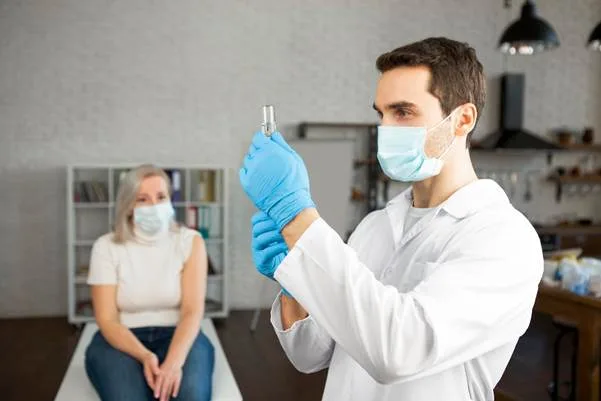
A comfortable setting and open communication can also make a difference. You should feel able to ask questions and understand why a particular treatment is being considered for you.
Frequently Asked Questions
How long does a ketamine infusion take?
An IV ketamine infusion commonly lasts about 40 to 60 minutes. Your total appointment may take longer because you may need time for preparation, monitoring, and recovery afterward.
Can I drive after ketamine infusion therapy?
No. Ketamine can affect alertness, thinking, and coordination after treatment. Arrange for someone to drive you home and follow the specific safety instructions provided by your clinic.
Will I feel anything during the infusion?
You may feel relaxed, sleepy, or notice changes in perception. Some people experience dizziness or nausea. The experience can vary from one person to another.
How many ketamine treatments might I need?
There is no single treatment schedule for every patient. The number of sessions depends on your condition, medical assessment, and response to treatment. Some clinics use a series of treatments rather than one infusion.